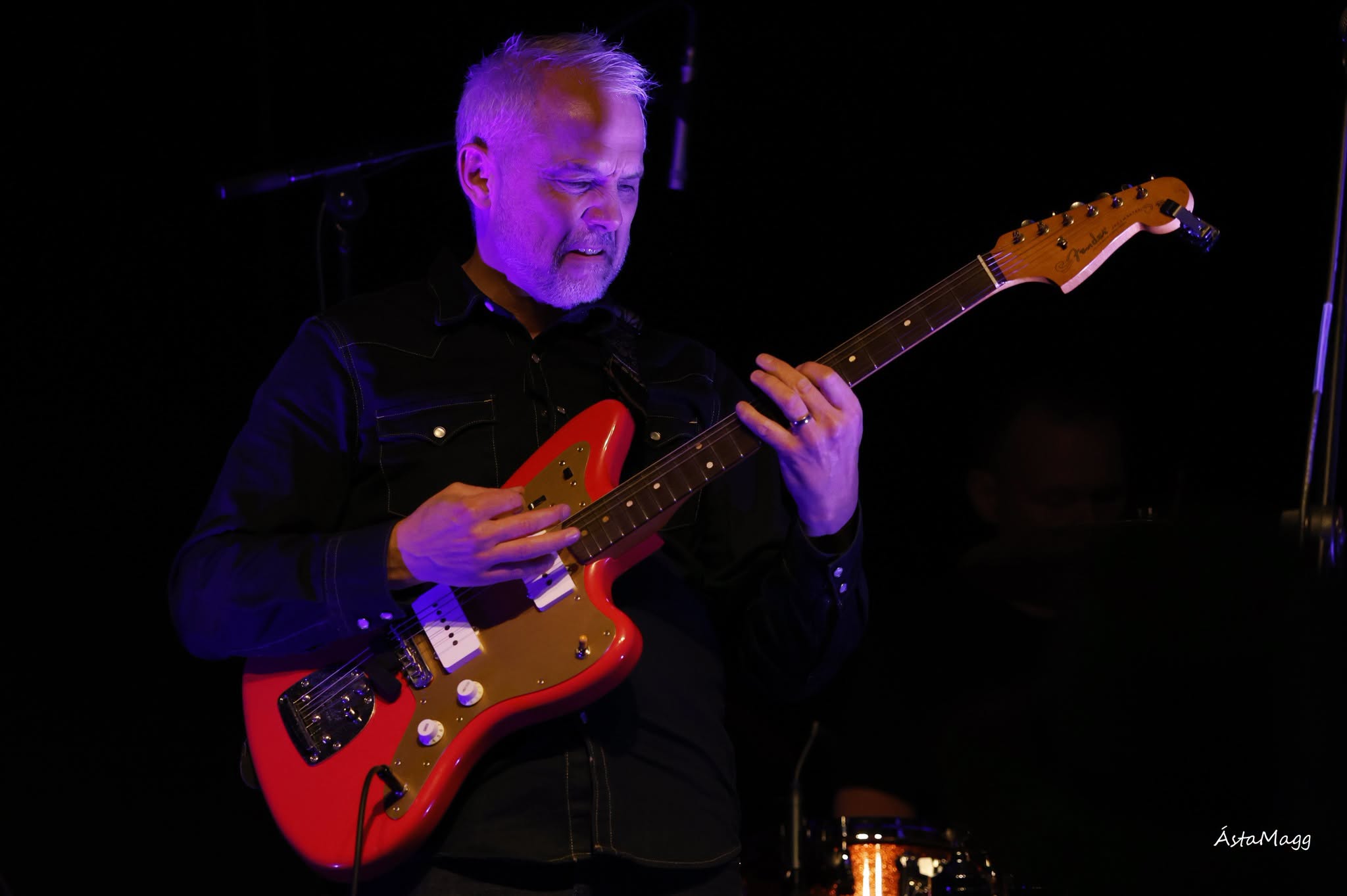
Performer
Börkur Hrafn Birgisson
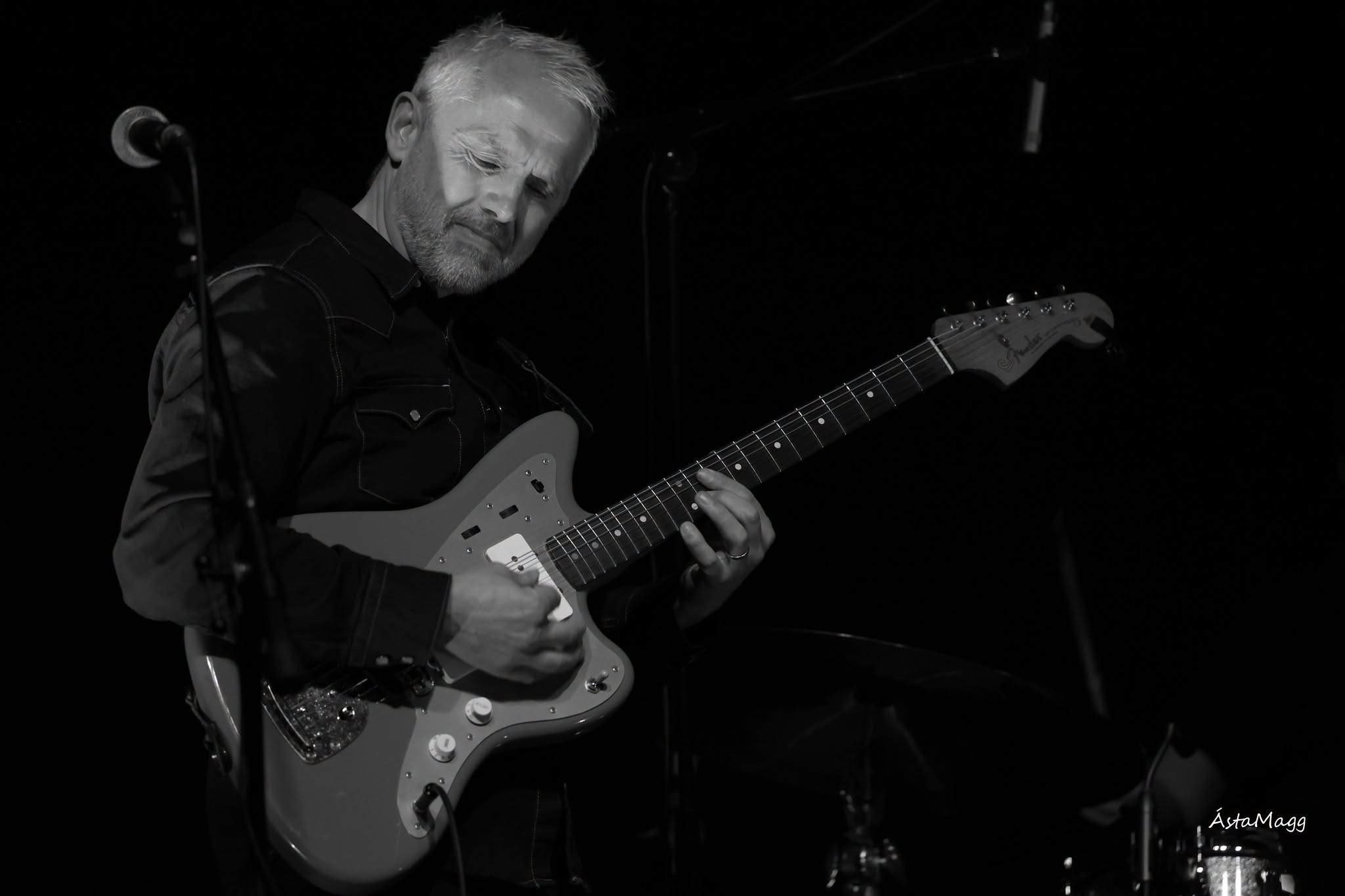
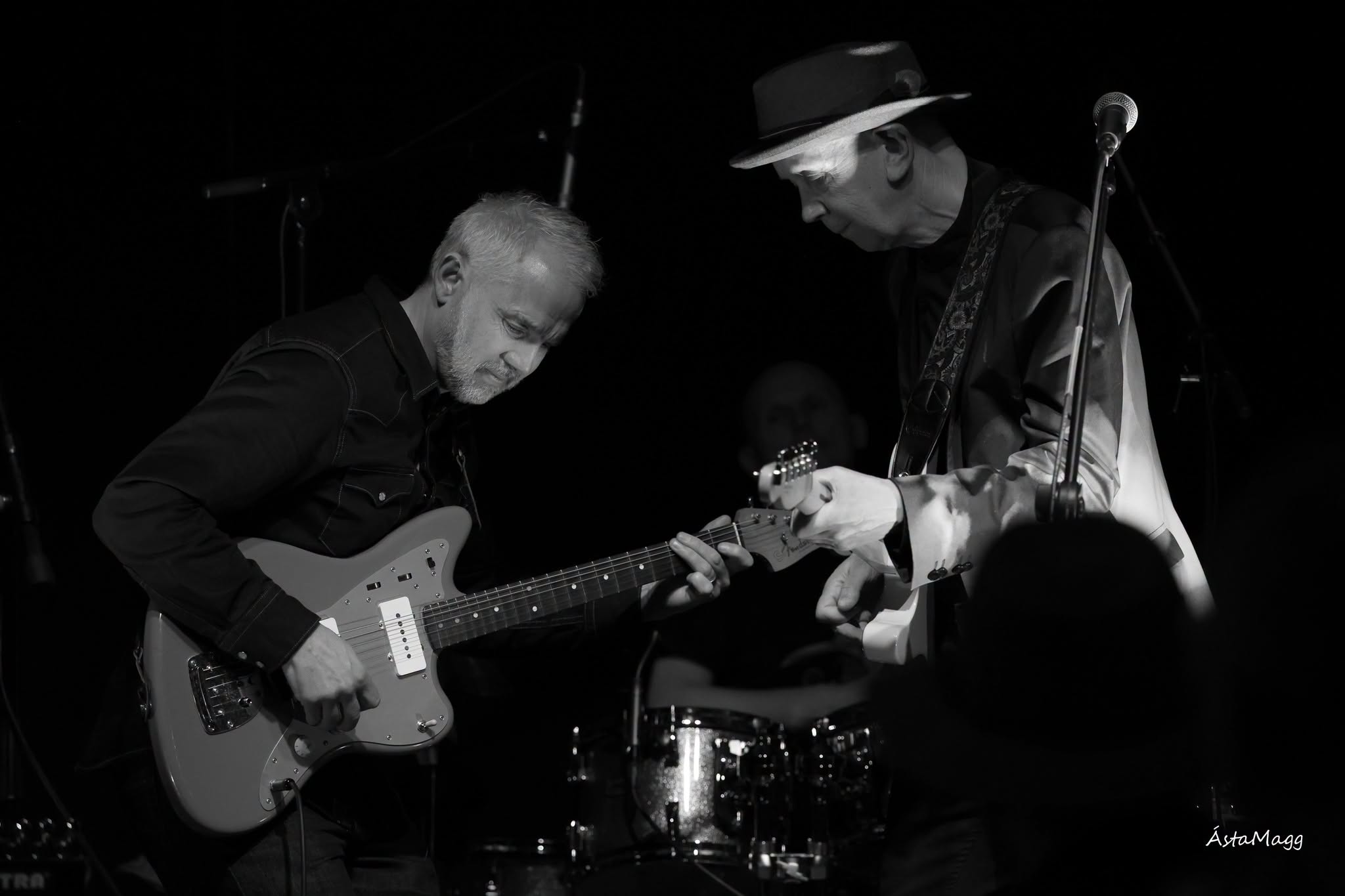
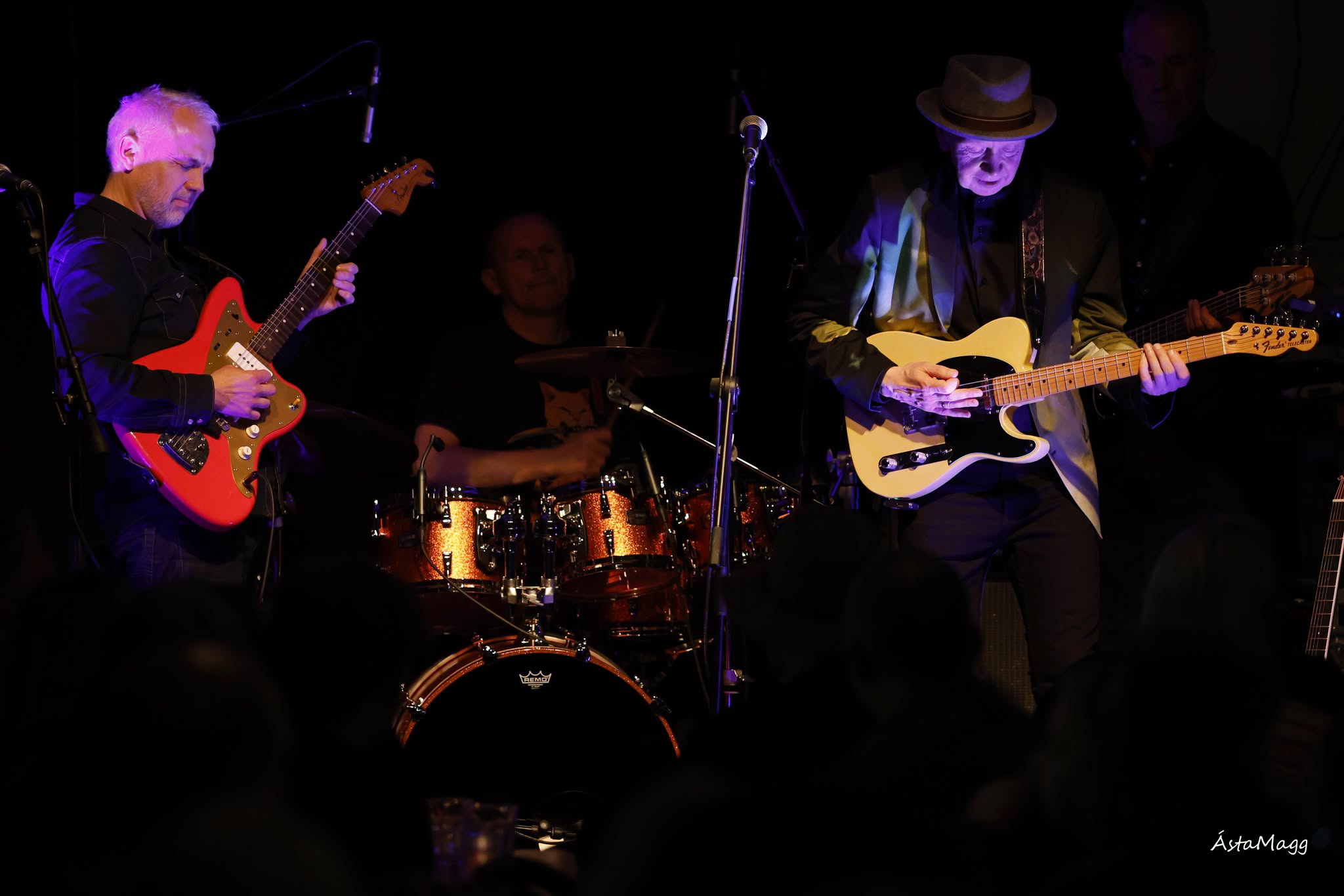
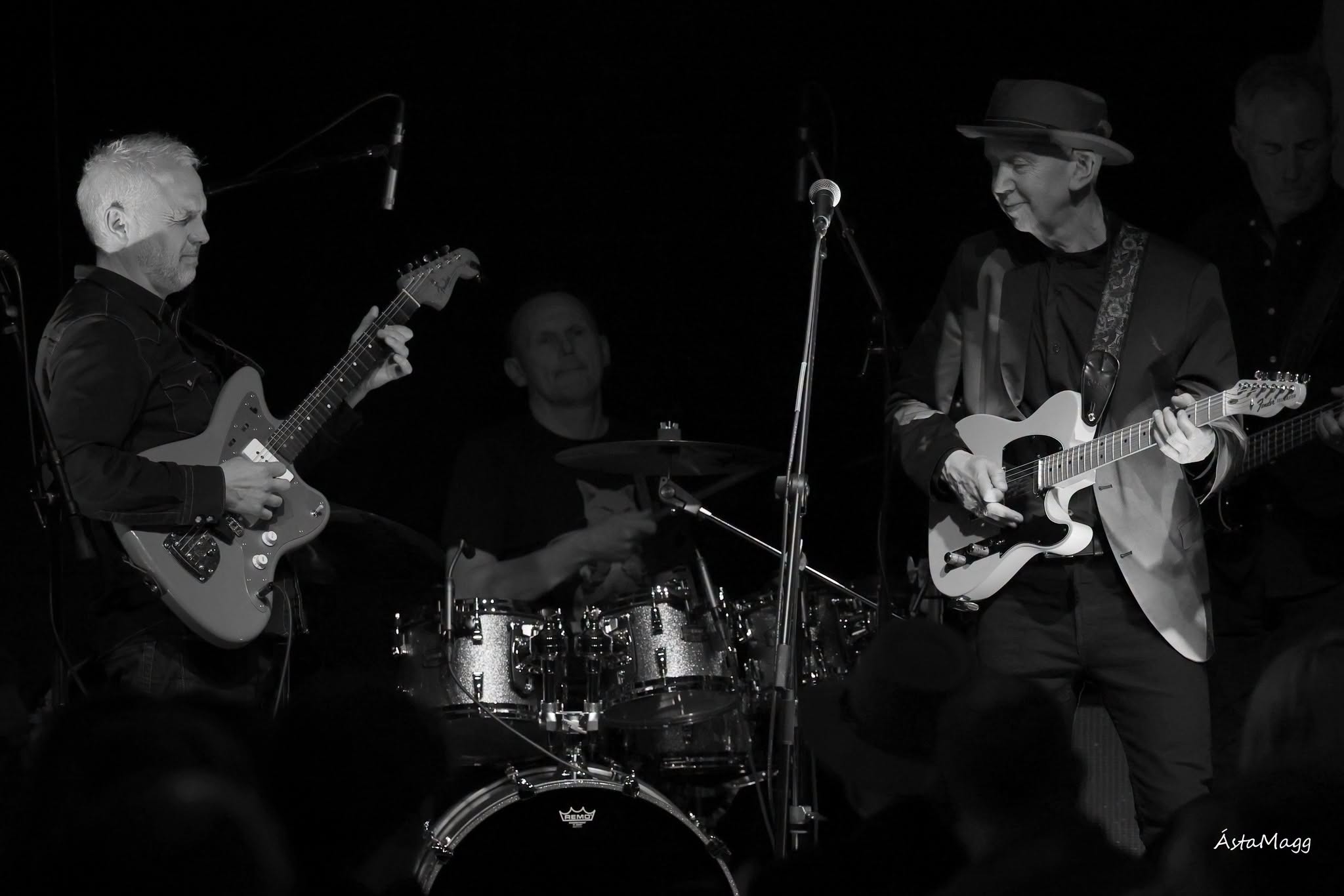
Börkur Hrafn Birgisson is an Icelandic guitarist, multi-instrumentalist, songwriter, recording engineer and producer whose documented work spans bands, studio production, arranging and collaborative recordings. Contemporary sources associate him particularly with the funk group Jagúar, the Benzin Music label and studio, and the trio Mono Town. His career is therefore rooted not only in performance but also in the practical making of records across Icelandic pop, rock and funk contexts.
Birgisson played guitar in Jagúar alongside his brother Daði Birgisson, the group’s keyboard player. Accounts of the band describe its original line-up as pursuing funk, soul and jazz, while a 2003 Reykjavík Grapevine listing specifically identifies Börkur as Jagúar’s guitarist. The group issued original instrumental material on its 1999 debut album and subsequently became associated with a funk-centred repertoire. Börkur and Daði remained connected with the group into the middle of the 2000s.
In 2006, Birgisson released the ten-track solo album Þriðja leiðin under his own name. Its programme includes “Tregagleði,” “Páskaliljan mín,” “Dagar ganga í barndóm,” the title track, “Á morgun skín sólin” and “Ástarbirta.” Singer Ellen Kristjánsdóttir appears with him on “Gestaþáttur” and “Úr tómleikans gjá.” The release establishes a recorded solo credit alongside his continuing ensemble and studio work, while its guest performances place it within a collaborative Icelandic-song setting.
With Daði, Birgisson operated the Benzin Music label and recording studio. Their 2008 Christmas record Rauð jól was jointly arranged by the brothers and included two original songs written by them. In 2009 they produced and mixed María Magnúsdóttir/MIMRA’s debut album, Not Your Housewife, under the Benzin Music name. Börkur also played guitar on that album and shared arrangement duties with Daði. Those credits document a role extending from instrumental performance to arranging, production and mixing.
His credited collaborations also reach across Icelandic popular music. On Bubbi Morthens’s 2013 album Stormurinn, Birgisson played electric guitar, sang backing vocals and performed percussion. He was co-recording engineer with Daði, shared the arrangements with Bubbi and Daði, and Daði mixed the album. In the same year, Birgisson played guitar on “Summer vibes” from Bistro Boy’s Journey. He was also part of the rhythm section listed for Páll Óskar Hjálmtýsson’s 2011 concert film release Páll Óskar og Sinfó.
Mono Town became his principal later band project with Daði Birgisson and singer-guitarist Bjarki Sigurðsson. Coverage of the group’s debut calls Börkur its guitarist, while other music listings identify him as a multi-instrumentalist; the most conservative description is therefore that he was an instrumentalist and co-writer within the trio. The band’s first full-length album, In the Eye of the Storm, arrived in 2014. A contemporary review characterized its sound as British 1990s-oriented indie rock, noting its elaborate production and the participation of Hallgrímskirkja Chamber Choir.
Mono Town’s work received major recognition at the 2015 Icelandic Music Awards: In the Eye of the Storm won Rock Album of the Year, and “Peacemaker” won Rock Song of the Year. Award coverage credits Börkur, Daði and Bjarki as the writers of “Peacemaker.” The trio’s second album, Time Vol. I, was released in 2021 and won Rock Album of the Year at the 2022 Icelandic Music Awards; Mono Town also received Songwriter of the Year in the pop, rock, rap and electronic category. These honours identify Birgisson’s recognised authorship as part of a collective band practice.
Birgisson’s documented artistic profile rests on the intersection of guitar-led ensemble work and studio craft. Jagúar links him with funk, soul and jazz-informed band music; his solo record and vocal collaborations show work in song-based Icelandic repertoire; and Mono Town placed him in an indie-rock setting. His engineering, arranging and production credits at Benzin Music, with MIMRA and on Bubbi Morthens’s recordings demonstrate that his contribution has often shaped the recorded framework as well as appearing in the instrumental performance itself.